Most problems on the water are easier to prevent at the dock than to solve underway. This checklist takes a few minutes and covers the things that most often go wrong.
Required Safety Equipment
Carry the equipment required for your vessel size and water type, and confirm every item is accessible rather than buried in a locker.
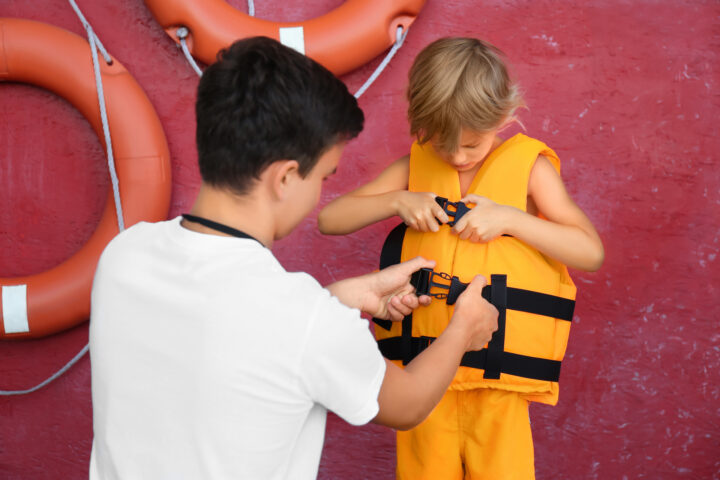
- A correctly sized life jacket for every person aboard
- Throwable flotation device within reach of the helm
- Fire extinguisher, charged and in date
- Sound signalling device such as a horn or whistle
- Visual distress signals appropriate to your waters
- First aid kit and a working flashlight
Fuel, Battery, and Mechanical Check
Confirm you have enough fuel for the trip out, the trip back, and a reserve. A common rule of thumb is a third out, a third back, and a third held in reserve.
- Fuel level checked against planned range, plus reserve
- No fuel smell in the bilge or engine compartment
- Battery terminals clean, secure, and holding charge
- Bilge pump operating and the bilge dry
- Steering and throttle moving freely through full range
- Propeller free of damage and tangled line
Weather and Route Review
Check the forecast for the whole window you intend to be out, not just the hour you leave. Note the wind direction relative to your route, and identify sheltered water you could reach if conditions turn.
Communication Plan
Leave a float plan with someone ashore: where you are going, who is aboard, and when you expect to return. Confirm your radio works and your phone is charged, and agree what that person should do if you are overdue.
Passenger Briefing
Before you leave the dock, take two minutes with everyone aboard.
- Where life jackets are stowed and how to fasten them
- Where the fire extinguisher and first aid kit are kept
- How to call for help on the radio
- What to do if someone goes overboard
- Where to sit and hold on while underway